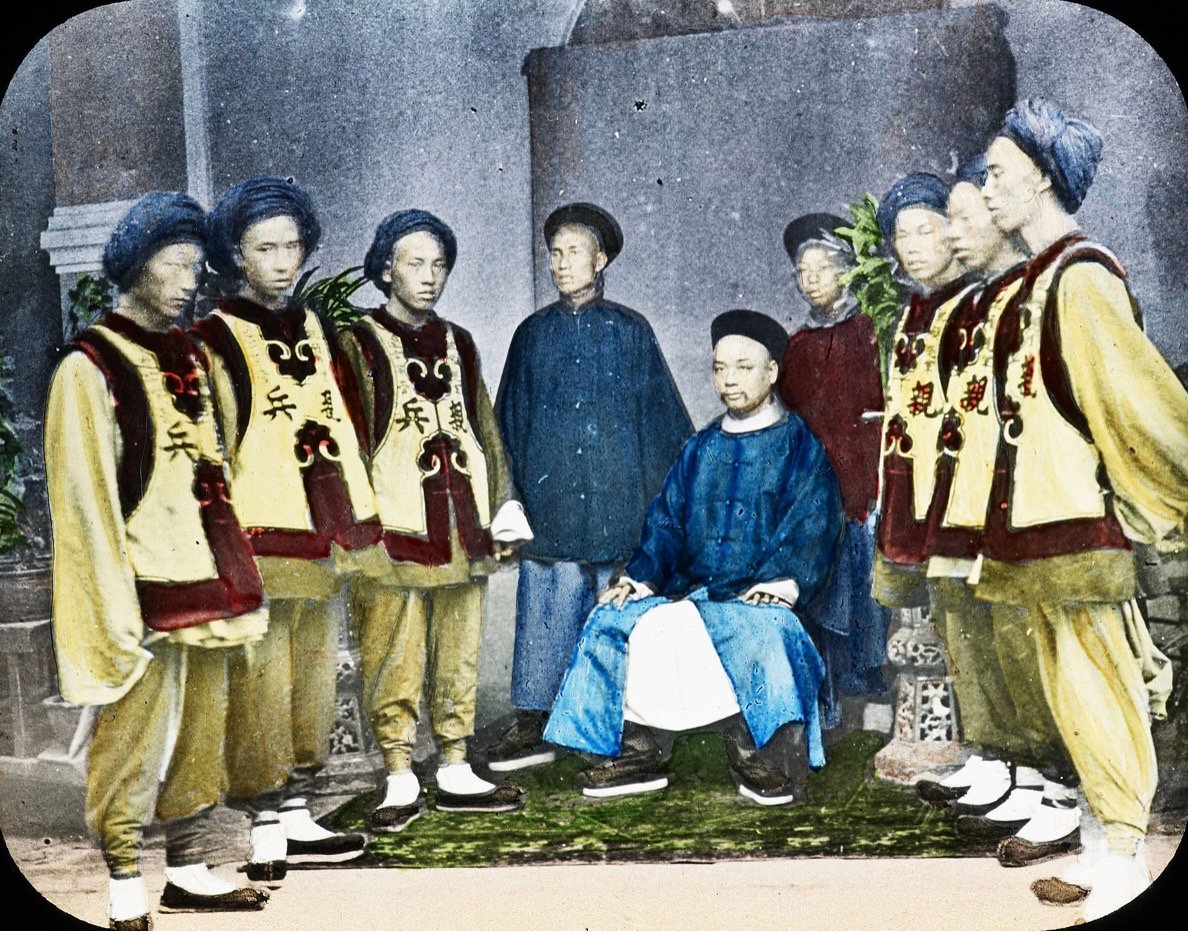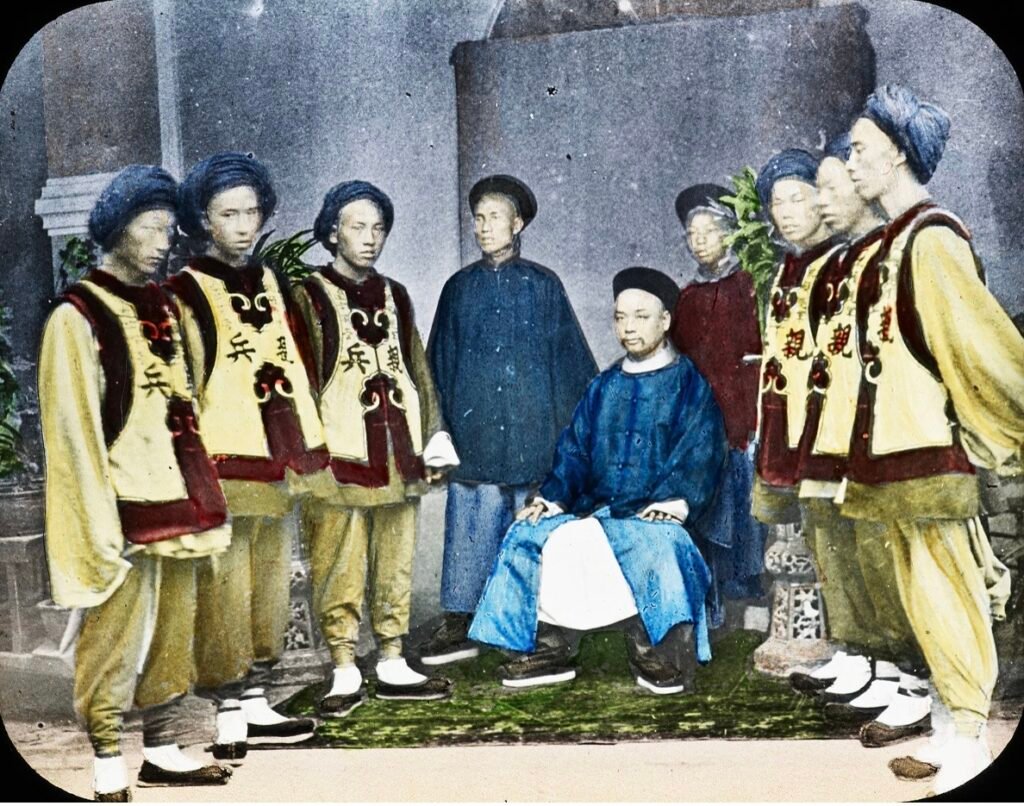
Some people have a distinct mental image of what a government official does.
Is he or she a pencil pushing, “red ink” bureaucrat with a cushy job who is in no hurry (a slow time-table) to get the job done? In some ways, these modern-day federal workers are deemed just a “number” in the overall scheme of government agency workings. Is that a fair depiction of a United States government worker?
It would be a false characterization of ancient Chinese government workers from the Sui Dynasty leading all the way up the more recent Qing Dynasty.
These people working in the Chinese imperial government were called “scholar-officials” for a good reason. They were “given” government jobs only after passing a civil service examination to prove they were qualified to do so.
I guess if you were locked up in a solitary cell for 24-72 hours with a pencil and paper to take an examination, you had better be prepared (know your “stuff”).
First and foremost, the Chinese who desired to become “scholar-officials” needed to be extremely well-versed in the teachings of Confucianism. All the better to display moral behavior, justice, rationality, kindness and a loyalty to the Emperor. This in the hopes of establishing and keeping a well-organized government with values that would help unify China.
Taking these examinations and passing them gave the poor who were ambitious and hardworking a chance. Though, at some points in time, aristocrats still held most government offices simply because they were the ones who could afford the tutors, books, and study time to prepare for the exams.
Either way, taking and passing the examinations did more to ensure that officials were talented and trained and not just rich or even related somehow to the Emperor.
If there were a negative aspect to this government-worker qualification process, it was what Confucianism’s ethical and philosophical system did not provide. Social harmony, moral behavior, and family (amongst other things) was taught and tested rather than knowledge of science, math, or engineering. Perhaps that stood in the way of a more complete progress. Also, since Confucian scholars had little respect for merchants and business, then trade and business were not encouraged.
It is dubious whether a typical “worker-bee” in the United States federal government is very concerned about such issues as morality. At least, maybe not while on the job. However, then again many of these current workers toiling in the everyday bureaucracy of department agencies might very well have substantial knowledge of subjects and concepts related to math, science, and engineering.
Then again, having a degree from a university or college in said subject is not quite the same as being holed-up in a cell to achieve your aim for days either. If the subject did not kill you, then God help you if you suffer from claustrophobia. A government candidate in ancient China might go literally insane taking civil service exams before he had a chance to put writing utensil to paper. But if he came through and passed (with “flying colors” or not), he was pretty darn qualified.
Your guess is as good as mine as to whether this “scholar-official” way of attaining a government job would work in the U.S or not.